Back to Blogs
Ingredients
The Best Bread for a Philly Cheesesteak (And Why It Matters)
Admin UserJanuary 28, 2026126 views5 min read
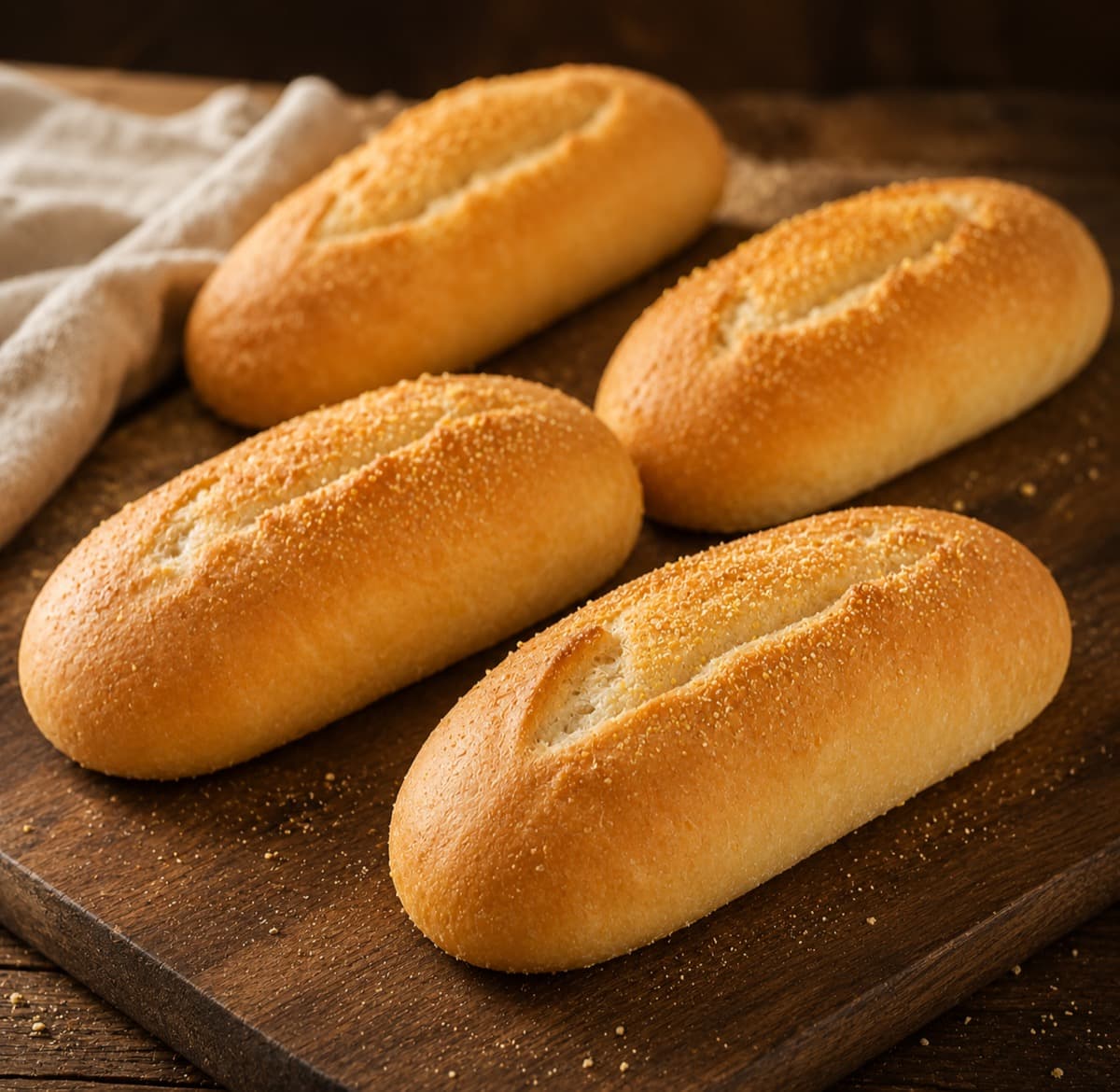
The bread is unforgiving. The moment the roll fails, everything collapses. The best cheesesteaks aren't built on meat or cheese—they're built on trust. And the bread is where that trust lives.
You can mess up a lot of things in a cheesesteak and still get away with it. Slightly overcook the beef? Fine. Too much cheese? No one's complaining. Onions are a little too sweet, peppers are a little too aggressive—whatever, it's still a sandwich.
But the bread? The bread is unforgiving. The moment the roll fails, everything collapses. Literally and emotionally. The best cheesesteaks aren't built on meat or cheese—they're built on trust. And the bread is where that trust lives.
The Roll Is the Foundation
A real cheesesteak roll has a very specific job. It needs to hold heat, absorb juices, stretch just enough when you bite, and somehow not fall apart under the weight of beef, cheese, onions, and your expectations.
Let's accept that that's not easy. Too soft and it disintegrates into a sad, soggy towel. Too hard and you're basically eating steak inside a baguette-shaped weapon. Your jaw gets tired, the fillings slide out, and suddenly you're chasing onions around your plate.
The right roll sits in that perfect middle space: tender inside, lightly crisp outside, sturdy without being aggressive. It doesn't fight the sandwich. It collaborates.
Why Amoroso (and Rolls Like It) Win
There's a reason names like Amoroso, Sarcone's, or Liscio's get mentioned in reverent tones in Philly. These rolls weren't designed for aesthetics. They were designed for function.
They're long, not wide. Light, not dense. The crumb is airy, almost cottony, but the crust has just enough resistance to give structure. When you squeeze the sandwich, the roll compresses and then bounces back slightly, like it knows what it signed up for.
It's engineering disguised as bread.
And it matters because cheesesteaks are wet sandwiches. Juicy meat, melted cheese, sauteed onions—this is not a dry environment. The roll has to absorb flavor without absorbing failure.
The Texture Test
The real test of a cheesesteak roll isn't how it looks. It's what happens three minutes in.
When the cheese melts.
When the beef releases its juices.
When the onions start leaking sweetness into everything.
Does the bread hold? Or does it quietly surrender?
Good bread becomes part of the sandwich. It soaks up flavor and turns into this savory, chewy layer that tastes like everything at once. Bad bread separates. The inside turns to mush, the crust gets weirdly stiff, and you end up eating the filling with your hands while holding an empty shell.
That's not a sandwich. That's a breakup.
Why Fancy Bread Ruins Everything
Here's where people get it wrong: they think "better bread" means fancier bread.
Artisan sourdough. Brioche. Ciabatta. Focaccia. Whole grain multiseed something that took three days to ferment and has a personality.
All delicious. All terrible for cheesesteaks.
Sourdough is too chewy and too sour—it overpowers the meat. Brioche is too sweet and too soft—it collapses under pressure. Ciabatta has holes that swallow your cheese like a black hole. Focaccia turns your sandwich into a pizza with commitment issues.
These breads weren't built for chaos. They were built for photos.
A cheesesteak roll needs to be humble. No strong flavor. No dramatic texture. Just a neutral, supportive presence that lets the fillings be the main character.
The Length Matters More Than You Think
Another underrated detail: length.
A proper cheesesteak roll is long enough that every bite feels consistent. You're not biting into all bread at the ends and all meat in the middle. The ratio stays balanced from start to finish.
That's not accidental. That's design.
Short, chunky rolls mess up the physics. Everything piles in the center. The edges get ignored. You start strong and finish sad. A long roll keeps the experience linear. Predictable. Fair.
And fairness in food is honestly underrated.
The Warmth Factor
The best cheesesteak bread is warm, not toasted into crunchiness, not steamed into limpness, just gently heated so it's soft, fragrant, and alive. Warm bread makes the cheese melt better. It makes the beef feel juicier. It makes your brain think the sandwich is better than it probably is.
Temperature is part of flavor. Warm bread smells better, feels better, and tastes better. It's the difference between a meal and a memory.
It's Not About Tradition, It's About Physics
People talk about "authentic" rolls like it's about history and culture. And sure, there's tradition there. Philly has its bread for a reason.
But mostly, it's about physics. Moisture. Heat. Weight. Texture. Bite force. The classic Philly-style roll just happens to solve all those problems at once. It's not sacred because it's old. It's sacred because it works.
You could invent a new roll tomorrow that does the same job, and it would instantly become correct. Not because of nostalgia, but because it respects the laws of the sandwich universe.
The Bread Is the Silent Hero
No one posts photos of bread. No one reviews bread. No one says, "Wow, that roll changed the whole thing." But everyone notices when it's wrong.
The best bread disappears into the experience. It doesn't steal attention. It supports. It carries. It holds everything together without demanding credit. And that's exactly why it matters so much.
A great cheesesteak isn't about flashy ingredients or secret sauces. It's about balance, structure, flow. The feeling that everything is exactly where it should be.
The meat brings the flavor.
The cheese brings the comfort.
The onions bring the soul.
But the bread? The bread makes it a sandwich instead of a mess.
Tags:#cheesesteak bread#amoroso rolls#hoagie roll#sandwich bread#philly cheesesteak