Back to Blogs
Food Guide
Best Philly Cheesesteaks: What to Look for in a Great Cheesesteak Restaurant
Admin UserJanuary 28, 202671 views5 min read
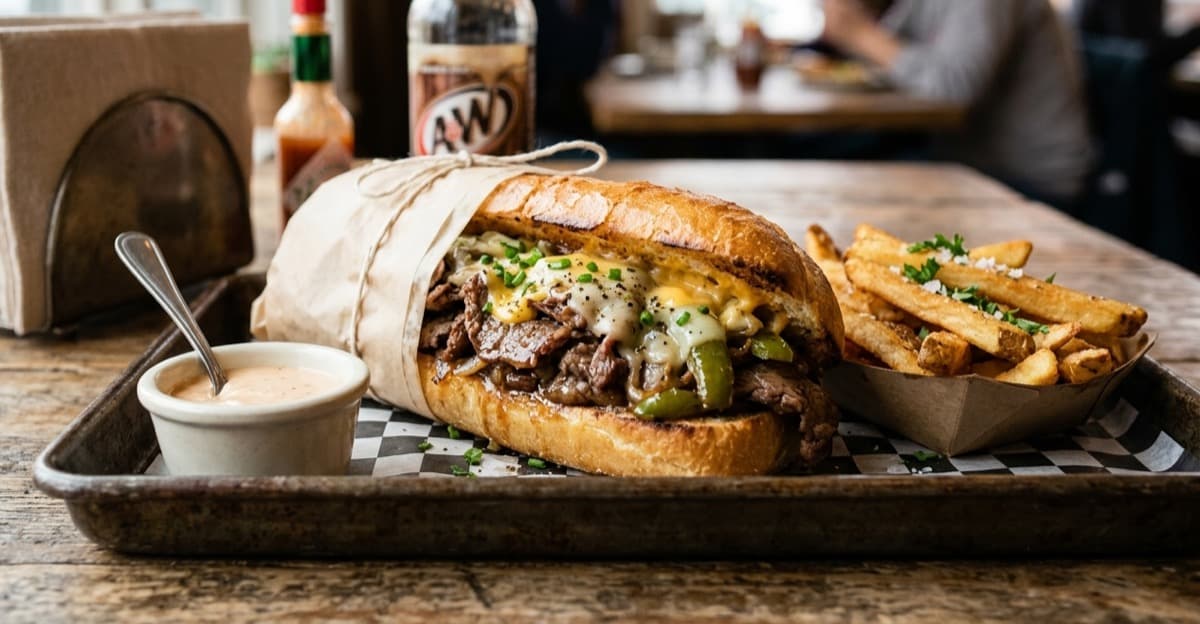
A good cheesesteak doesn't ask where you are. It asks whether the place in front of you understands restraint, heat, and timing. Learn what separates the best cheesesteak restaurants from the rest.
There are certain foods that stop being regional the moment people start arguing about them. The cheesesteak crossed that line a long time ago. Once it left its original blocks and started showing up on diner menus, late-night counters, food trucks, and neighborhood sandwich shops, it became something else entirely: a format. A standard. A test.
A good cheesesteak doesn't ask where you are. It asks whether the place in front of you understands restraint, heat, and timing. Whether they know how to let beef, bread, and cheese do the work without interference. Whether the sandwich feels inevitable, not constructed.
You can tell within a minute of walking in.
The Grill Is the First Interview
The flat-top tells you everything you need to know. Not because it's dramatic, but because it reveals priorities. In a serious cheesesteak restaurant, the grill is already active before you order. Beef is down. Steam is rising. Metal is scraping rhythmically, not aggressively.
Thinly sliced steak should hit the surface and immediately start to change—edges tightening, fat loosening, sound sharp and steady. The meat shouldn't sit in a pile waiting for attention. That hesitation shows up later in the bite. Cheesesteaks reward momentum.
Good cooks don't overwork the steak, but they don't treat it delicately either. The chop is purposeful. The goal isn't texture for its own sake; it's cohesion. When you bite into the sandwich, everything should move together. No chasing meat down the wrapper. No structural collapse halfway through.
Bread Carries the Reputation
A cheesesteak can survive mediocre cheese. It cannot survive the wrong bread.
The roll has one job: to contain heat, moisture, and weight without calling attention to itself. Too soft, and the sandwich dissolves into paste. Too hard, and it turns the meal into a wrestling match. The best rolls offer resistance at first bite, then give way.
Freshness matters, but so does temperament. The ideal roll bends when wrapped, compresses when held, and springs back just enough between bites.
If a place doesn't seem to care where their bread comes from, you'll taste that indifference immediately.
Cheese Is About Function
Cheesesteaks don't benefit from adventurous cheese. They benefit from cheese that understands heat. Meltability matters more than flavor complexity. Cheese should integrate with the meat, not sit on top of it like a garnish. When it's done right, you don't notice the cheese separately; you notice how the sandwich holds together.
Processed cheese sauces, sliced American, mild provolone—each can work. What doesn't work is indecision. If a restaurant offers a long list of cheese options, it usually means they're compensating for something else.
In the best places, the question comes fast and expects a fast answer. The cook already knows what works. They're just checking whether you do.
Onions Reveal Discipline
Onions aren't required, but they're revealing. When handled well, they disappear into the steak, adding sweetness and depth without announcing themselves. When handled poorly, they dominate. Crunchy onions, watery onions, onions that feel added after the fact—all signs of a kitchen that hasn't settled into its rhythm.
The Menu Should Feel Smaller Than It Is
The best cheesesteak restaurants rarely lean on variety. Even when the menu looks long, the core offering stays unchanged. Add-ons exist, but they don't distract. You get the sense that everything revolves around one central process that has been repeated thousands of times.
This kind of focus shows up in confidence. Orders are taken quickly. There's no explanation unless you ask. Regulars don't look at the menu cause they don't need to. If a place spends too much time telling you how good their cheesesteak is, it usually isn't.
Atmosphere Without Design
A great cheesesteak restaurant doesn't feel styled. It feels worn in. Counters show use. Floors have been cleaned more times than they can count. The lighting might be harsh, or it might be dim, but it was chosen once and never revisited. Nothing is curated. Everything is functional.
This isn't nostalgia—it's efficiency. Cheesesteaks are fast food in the best sense of the word. Designed for movement, designed for hunger, designed to be eaten without ceremony.
When a restaurant understands that, the room settles into a kind of quiet confidence. No rush, no lingering. Eat, enjoy, move on.
Consistency Is the Only Real Metric
Anyone can make a good cheesesteak once. The real test is whether the tenth one tastes like the first.
Consistency shows up in portioning, in the way the sandwich is wrapped, in how hot it stays until the last bite. Great places don't chase trends or tweak recipes. They don't need to—their audience already knows what they're there for.
This is why some unremarkable-looking spots develop fierce loyalty. People trust them and that trust comes from repetition, not marketing.
Eating It Is the Final Judgment
A great cheesesteak demands both hands and your full attention. It's messy without being careless. Hot without being aggressive. Rich without feeling heavy.
You shouldn't be analyzing it while you eat. You should be adjusting your grip, wiping your fingers, leaning forward slightly without realizing why. Halfway through, the wrapper should be soaked. By the end, you should feel satisfied in a very specific way—fed, not impressed.
That's the point.
Why the Best Ones Don't Explain Themselves
The cheesesteak works because it resists overthinking. It's a sandwich that punishes excess and rewards discipline. When a restaurant understands that, it shows everywhere: in the grill, the bread, the pace, the room.
The best cheesesteaks don't come with a story. They come wrapped in paper, handed across a counter, still steaming. You eat them where you stand if you have to. You don't photograph them. You don't dissect them. You just know, halfway through the first bite, whether the place gets it.
And if they do, you'll remember—not because they told you to, but because the sandwich did.
Tags:#cheesesteak#philly cheesesteak#restaurant guide#food tips