Back to Blogs
History
The History of the Philly Cheesesteak and Why It's Still America's Favorite Sandwich
Admin UserJanuary 28, 2026119 views5 min read
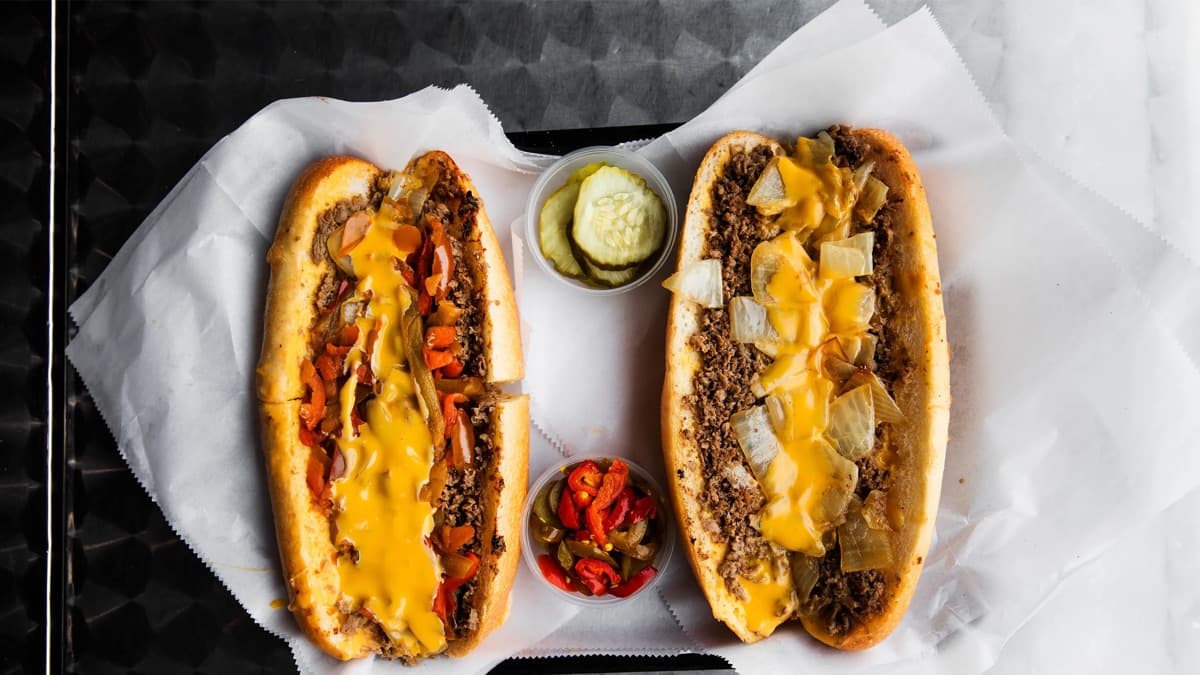
For a food that started as a workingman's lunch on a South Philadelphia street corner, the cheesesteak has carried an improbable amount of cultural weight for nearly a century.
There are sandwiches you eat because you're hungry, and sandwiches you eat because you want to feel something familiar settle in. The Philly cheesesteak belongs to the second category. It's messy. It's unapologetic. It smells like beef fat and onions before you even see it. And for a food that started as a workingman's lunch on a South Philadelphia street corner, it has carried an improbable amount of cultural weight for nearly a century.
What's interesting is that the cheesesteak never tried to be iconic. It wasn't engineered to travel well, to photograph beautifully, or to please everyone. In fact, it actively resists those things. That resistance might be part of why it's still here, still argued over, and still ordered with confidence.
How It Actually Started
The origin story is refreshingly unromantic. Early 1930s. South Philly. A hot dog stand run by Pat Olivieri. One day he grills sliced beef instead of a frank, throws it on a roll, and a passing cab driver smells it, stops, and asks for one. That detail gets repeated a lot because it matters. The cheesesteak wasn't born in a restaurant kitchen. It was born in public, on the street, in front of people who needed lunch and didn't have time for the ceremony.
Cheese wasn't even part of the equation at first. That came later, almost as an afterthought. Provolone initially, which makes sense if you understand the Italian-American makeup of the neighborhood at the time. The sandwich was evolving in real time, responding to taste, availability, and habit. No press release. No branding. Just repetition.
That early context explains a lot about why Philadelphians still treat the cheesesteak less like a menu item and more like a personal belonging. It was never an aspirational food. It was sustenance. Fuel. Something you ate leaning against a counter, wrapped in paper that absorbed more grease than it repelled.
The Roll Is Doing More Work Than People Admit
If you talk to someone outside Philly, they'll focus on the meat, or the cheese debate. Locals will tell you the bread is where things go wrong first.
The classic roll is long, slightly crusty on the outside, soft enough inside to compress without tearing. Amoroso's became the standard not because it was fancy, but because it held up. A cheesesteak is a wet sandwich. Between the beef juices, melted cheese, and onions, the roll has about ten minutes before structural failure. A bad roll gives up immediately.
This is one reason the cheesesteak doesn't travel well. It's not designed to. It's meant to be eaten where it's made, while it's still hot enough to soften the bread but not so hot that the grease burns through. That immediacy is baked into the sandwich's identity, whether people articulate it or not.
Cheese Whiz Wasn't a Joke
The introduction of Cheese Whiz in the 1950s tends to get treated as a punchline now, especially by people who romanticize "authentic" food. But Whiz solved a problem. It melted consistently. It coated the meat evenly. It didn't seize up or separate under heat. In a high-volume shop, that matters more than nostalgia.
Places like Pat's and Geno's, which later became tourist landmarks and local punching bags in equal measure, leaned into Whiz because it worked. You could move people through the line fast. You could deliver the same texture every time. And when you're serving hundreds of sandwiches a night, consistency is currency.
There's also something very American about embracing a processed cheese product and turning it into a regional symbol.
Why It Never Became Trend Food
Other American sandwiches have been endlessly reinvented. The burger became gourmet, then ironic, then smash-style minimalism. The grilled cheese went through a brioche-and-truffle phase that we all collectively decided to forget.
The cheesesteak mostly sat that out. Part of that is structural. There's not much room to tweak without losing the thing entirely. Change the bread too much and it collapses. Use premium cuts of beef and you lose the chopped, integrated texture that defines it. Elevate the cheese and you end up with something else entirely, usually something that photographs better than it eats.
There have been attempts, of course. Upscale cheesesteaks with artisanal rolls, grass-fed beef, aged cheeses. They're fine. Sometimes even very good. But they feel like interpretations, not replacements. The original doesn't need saving.
Why It's Still America's Favorite
America loves foods that feel honest. Foods that don't pretend to be lighter, cleaner, or more refined than they are. The cheesesteak never chased trends, which ironically makes it feel more current than a lot of dishes that did.
It also sits at the intersection of several American instincts: abundance, speed, regional pride, and a quiet refusal to overthink things. You don't debate a cheesesteak's macro balance. You don't pair it with wine. You eat it because it's there and you want it and there's comfort in that.
In a food culture that often swings between excess and self-consciousness, the cheesesteak has stayed stubbornly practical. It doesn't need reinvention every five years to stay relevant.
The Philly cheesesteak doesn't improve with nostalgia, and it doesn't suffer from age. It just keeps doing what it's always done. Feeding people. Giving them something warm and heavy and familiar.
Maybe that's why it endures. Not because it's perfect, but because it doesn't ask to be. It shows up the same way every time, wrapped in paper, dripping slightly, daring you to overanalyze it.
Most people don't. They take a bite. They chew. They wipe their hands. And for a few minutes, that's enough.
Tags:#cheesesteak history#pat olivieri#philadelphia history#american food#sandwich history