Back to Blogs
Food Comparisons
Philly Cheesesteak vs. Other Steak Sandwiches: What's the Difference?
Admin UserJanuary 28, 2026122 views5 min read
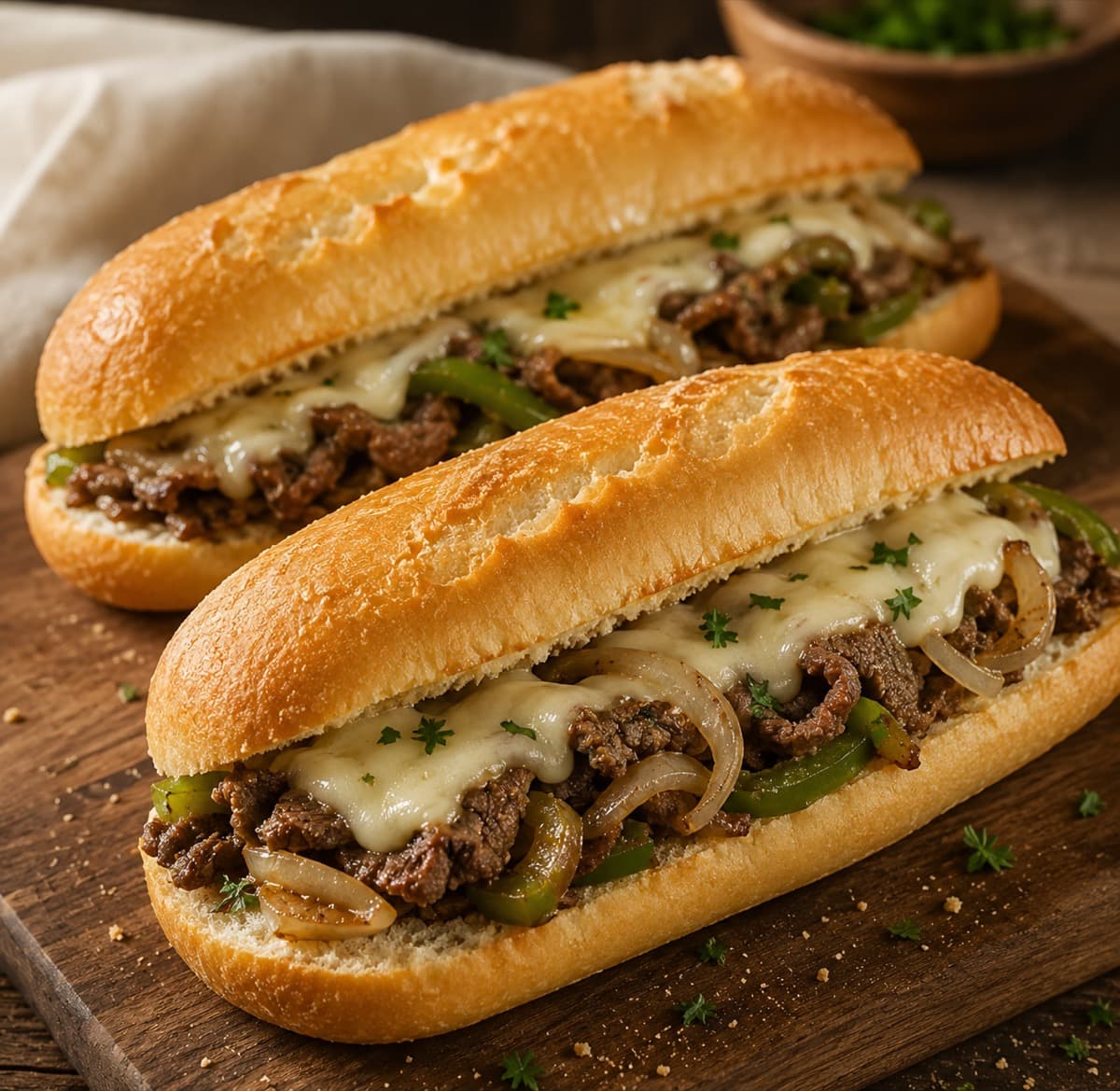
Among steak sandwiches, the Philly cheesesteak has carved a niche. When you put it next to its cousins—the French dip, the Italian beef, the London steak baguette—the distinctions become almost architectural.
There's a comfort in a steak sandwich that no one explains before you experience it. The weight in your hands, the warmth radiating through the bread, the way the meat resists and yields all at once—it's intimate in a way that fast food rarely is. Among steak sandwiches, the Philly cheesesteak has carved a niche, but it's just one iteration of a broader type. When you put it next to its cousins—the French dip, the Italian beef, the London steak baguette—the distinctions become almost architectural.
Philly Cheesesteak vs. French Dip
Take a French dip first. Thinly sliced roast beef, piled on a crusty French roll, served with jus on the side. The idea is indulgence with control. You decide when to dip, how much juice to absorb, and how long to let the bread soak. It's almost meditative. The beef itself is tender, sometimes medium-rare, sometimes warm from slow cooking, but rarely aggressive.
Compare that to a Philly cheesesteak, where thinly sliced ribeye hits a hot flat-top and is chopped, folded, and combined with melted cheese while you wait. There's no dipping moment, no ritual of interaction with a side sauce. Everything is integrated: the bread, the meat, the cheese, sometimes onions. The cheesesteak feels immediate, messy, hot—designed to be eaten upright and fast. The French dip invites contemplation; the cheesesteak insists on participation.
Philly Cheesesteak vs. Italian Beef Sandwich
Italian beef sandwiches share the cheesesteak's affinity for thinly sliced meat, but they diverge in both flavor and philosophy. Italian beef is slow-roasted, seasoned with garlic, oregano, and pepper, and often soaked in its own juices. It's layered on a long roll, sometimes topped with peppers or giardiniera, and usually served dripping.
A Philly cheesesteak, in contrast, is built for cohesion. The beef is seared hot, chopped as it cooks, and bound with cheese or melted provolone. The flavors are restrained, emphasizing the beef and its caramelization rather than an herbaceous marinade. Italian beef is indulgent, messy, and loud—spicy juices running down your wrist. The cheesesteak is compact, concentrated, and calculated, where each ingredient has a functional purpose.
Philly Cheesesteak vs. London Steak Baguette
Cross the Atlantic, and the London steak baguette presents another approach. Often featuring thinly sliced roasted steak, sometimes served cold with horseradish or caramelized onions, the baguette is crisp, sometimes toasted, sometimes buttered. It's a balanced bite where texture plays as much of a role as flavor.
Philly cheesesteaks, on the other hand, require heat to unify the sandwich. The roll absorbs just enough grease, the cheese melts into the meat, the onions soften. A London steak baguette is about contrast: the crunch of bread against tender beef, the interplay of a sharp condiment. The cheesesteak thrives on cohesion: everything blends, stretches, and folds into one entity rather than presenting itself in separate parts.
Philly Cheesesteak vs. Diner-Style Steak Sandwich
There's a type of diner steak sandwich that rarely gets attention outside regional circles: thick cuts of grilled sirloin, sometimes with fried onions or a fried egg, placed between hearty slices of toasted bread. It's indulgent, almost breakfast-like, meant to be eaten seated with a side of fries or hash browns.
The cheesesteak approaches the same components—meat, onions, bread—but with an entirely different rhythm. Thin ribeye instead of thick sirloin, chopped continuously on a flat-top instead of grilled once and plated. Onions aren't optional decoration; they're integrated into the meat. Cheese isn't a topping; it's a binder. Eating a cheesesteak is vertical, handheld, immersive. Eating a diner-style steak sandwich is horizontal, accompanied, and leisurely.
Philly Cheesesteak vs. Roast Beef Hoagie
Then there's the roast beef hoagie, another American staple. Here, the beef is often cold or just-warmed, thinly sliced, layered with lettuce, tomato, maybe cheese, and a smear of mayo or mustard. It's a layered experience designed for flavor contrast and crunch rather than heat and cohesion.
Philly cheesesteaks rarely introduce vegetables beyond onions, and they're rarely served cold. The heat is essential, the cheese is essential, and the bite is designed for structural integrity rather than complexity. The hoagie invites deliberation: nibble, crunch, chew. The cheesesteak demands full attention, a simultaneous engagement of mouth and hands.
Cohesion vs. Contrast
If there's one thing that sets a Philly cheesesteak apart from other steak sandwiches, it's how everything works together rather than standing out separately. French dips, Italian beef, London baguettes, diner sandwiches, and hoagies often focus on different textures, sauces, or toppings. A cheesesteak doesn't. Its strength comes from how the hot meat, melted cheese, and sturdy roll come together, sometimes with onions, sometimes without, so that no single element takes over. Every bite gives you the same balanced experience from start to finish.
The Quiet Standard
What really sets a Philly cheesesteak apart isn't fancy ingredients or showy presentation—it's sticking to a simple formula and doing it well, every time. It doesn't need a dipping sauce, a special roll, or a pile of toppings. It works because the meat, cheese, and bread are handled properly and combined in the right way. Other steak sandwiches highlight layers, sauces, or temperature contrasts. The cheesesteak just focuses on getting those core elements right.
When it's made well, you notice it immediately—halfway through the first bite, you get why it's in a category of its own. There's nothing extra, nothing flashy. It just works, and that's enough.
Tags:#cheesesteak comparison#french dip#italian beef#steak sandwich#food guide