Back to Blogs
Authenticity
What Makes an Authentic Philly Cheesesteak
Admin UserJanuary 28, 2026210 views6 min read
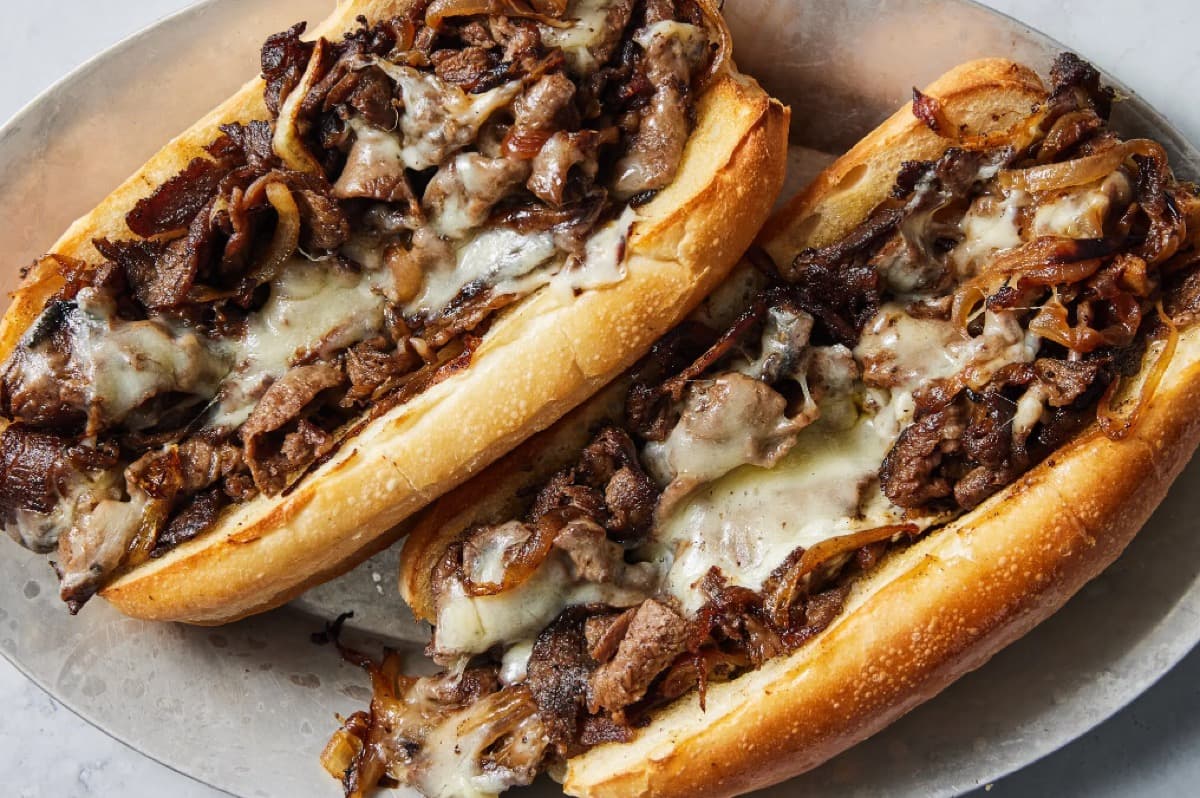
An authentic Philly cheesesteak doesn't announce itself with clever names or elaborate descriptions. When it's done right, the sandwich explains itself in the first bite.
There's a particular smell that clings to certain corners of Philadelphia. Hot beef, onions sweating on steel, bread warming just enough to soften without surrendering. You catch it before you see the shop. Sometimes before you even mean to stop.
That smell is not nostalgic. It's practical. It tells you what's coming.
An authentic Philly cheesesteak doesn't announce itself with clever names or elaborate descriptions. It doesn't need to. When it's done right, the sandwich explains itself in the first bite. Everything else comes later.
And yet, outside Philadelphia, the cheesesteak has become something else entirely. Peppers appear. Fancy cheeses show up. Bread gets swapped. Menus start using words like "elevated." At that point, you're not wrong to ask: what actually makes a Philly cheesesteak authentic?
Inside Philly, though, the standards haven't shifted much. People may argue, but the foundation is oddly stable and it starts with the roll.
Bread Is Not a Detail
The bread carries more responsibility than anything else in the sandwich. That sounds dramatic until you've had one on the wrong roll. Then it becomes obvious.
A real Philly cheesesteak uses a soft Italian roll, this usually means Amoroso's or Liscio's. It has a thin crust that compresses when you bite it and then springs back, catching stray onions and melted cheese along the way. It has an interior that can absorb grease without collapsing into paste.
Too crusty and the sandwich fights you, too soft and it disintegrates halfway through. Even very good bakeries struggle to replicate that balance. Outside the city, people argue about meat and cheese endlessly, but locals always notice the bread first.
The Meat Doesn't Ask for Attention
Ribeye is the standard, sliced thin enough to almost look translucent. That thinness matters more than seasoning and more than technique. On a hot flat-top, the meat cooks fast, edges browning, fat rendering, everything happening at once.
There's no marinade or spice rubs waiting in the wings. Salt hits the meat on the grill, and sometimes pepper. That's it. The magic comes from simplicity and speed.
The cook chops the steak just enough to break it up, not so much that it turns into ground beef. You want texture. You want irregularity. Each bite should feel slightly different from the last. When the meat is steamed or overworked, you can always tell.
Cheese, and Why People Miss the Point
This is where outsiders usually go wrong; not because they choose the "wrong" cheese, but because they misunderstand the role cheese plays in the sandwich.
There are three traditional options: American, provolone, and Cheez Whiz. That list hasn't expanded, no matter how many menus try to convince you otherwise. No Swiss. No cheddar. No smoked gouda experiment.
Each has its camp, and each makes a different sandwich. American melts smoothly and quietly, holding everything together. Provolone adds a sharper note, especially when it leans slightly aged. Cheez Whiz, for all the jokes it attracts, does exactly what it's supposed to do: it coats the meat, stays melted, and doesn't steal the spotlight. The mistake people make is treating Whiz as a novelty. In practice, it behaves exactly how a cheesesteak needs cheese to behave: it melts instantly, doesn't separate, and keeps the sandwich hot to the last bite.
The real debate isn't about authenticity. It's about preference. Philly has room for all three.
Onions Are Assumed
In most shops, onions go on unless you say otherwise. This is an important detail.
They're not caramelized into sweetness and they're not left sharp and raw. They soften, pick up beef fat, and fade into the background just enough to make everything else louder. You don't notice them individually. You miss them when they're gone.
Ordering without onions is acceptable. Ordering with peppers is tolerated. Ordering with mushrooms raises eyebrows but won't get you thrown out. Asking for lettuce or tomato quietly marks you as someone who doesn't quite understand what's happening.
An authentic cheesesteak is hot food, built for immediate consumption and cold toppings interrupt that logic.
Ordering Is Part of the Experience
In a busy Philly shop, ordering isn't a conversation. It's a transaction.
"Whiz wit."
"Provolone without."
"American wit."
Those phrases aren't slang for show, but functional shorthand. A busy shop might serve hundreds of sandwiches an hour. The rhythm matters and when you hesitate or start listing ingredients, the line feels it.
This matters more than people admit. The cheesesteak wasn't designed to be personalized endlessly. It was designed to be consistent, fast and reliable.
The Grill Remembers
You can buy the right meat and find decent bread and still miss something at home. The missing piece is usually the grill.
A well-seasoned flat-top grill carries years of accumulated flavor. Beef fat, onion sugars, residual heat—these things linger. They create a baseline taste that no clean pan can match. That's why some of the best cheesesteaks come from places that look unimpressive at first glance. The grill has seen things. You taste that, even if you don't know how to name it.
Portion Size Isn't a Dare
A good cheesesteak fills you up without overwhelming you. There's a balance at work—meat covering the bread fully, cheese binding it, onions woven throughout.
When places stack meat into absurd towers, it's usually compensation for something that isn't pulling its weight. The portion size should be just right; you finish them feeling satisfied, not challenged.
Authenticity Isn't Fragile
There's a misconception that authenticity means rigidity, that there's one correct sandwich and everything else is wrong. Philly doesn't actually work that way.
What matters is respect for the foundation. The roll. The meat. The heat. The restraint.
You can innovate if you want. Just don't pretend it's the same thing. Once you change the structure, you've made a different sandwich. That's fine. Call it something else.
The frustration comes from pretending boundaries don't exist when they clearly do.
Why People Defend It So Hard
A Philly cheesesteak isn't luxury food. It's working food built to be affordable, filling, and repeatable. It reflects a city that values directness and efficiency.
You don't overexplain. You don't dress it up. You do it right, every time.
That attitude gets baked into the sandwich. When people defend it, they're not just defending ingredients, they're defending a way of doing things without unnecessary fuss.
The Quiet Test
You don't need a checklist to recognize an authentic Philly cheesesteak. You know it when nothing feels out of place. The bread holds without dominating. The cheese melts into the meat instead of sitting on top. The onions vanish but somehow leave everything better.
There's a moment, usually halfway through, when you stop thinking about what you're eating and just keep going. That's the real standard. And once you've felt it, the imitations become obvious without you having to say a word.
Tags:#authentic cheesesteak#philly cheesesteak#traditional cheesesteak#cheez whiz#provolone